
Common
Defects.
What to look for at your property, and why Colorado makes it worse.
 Defect explorer.
Where defects show up.
Pick an area. See the warning signs to watch for and the construction mistakes that usually cause them.
 01
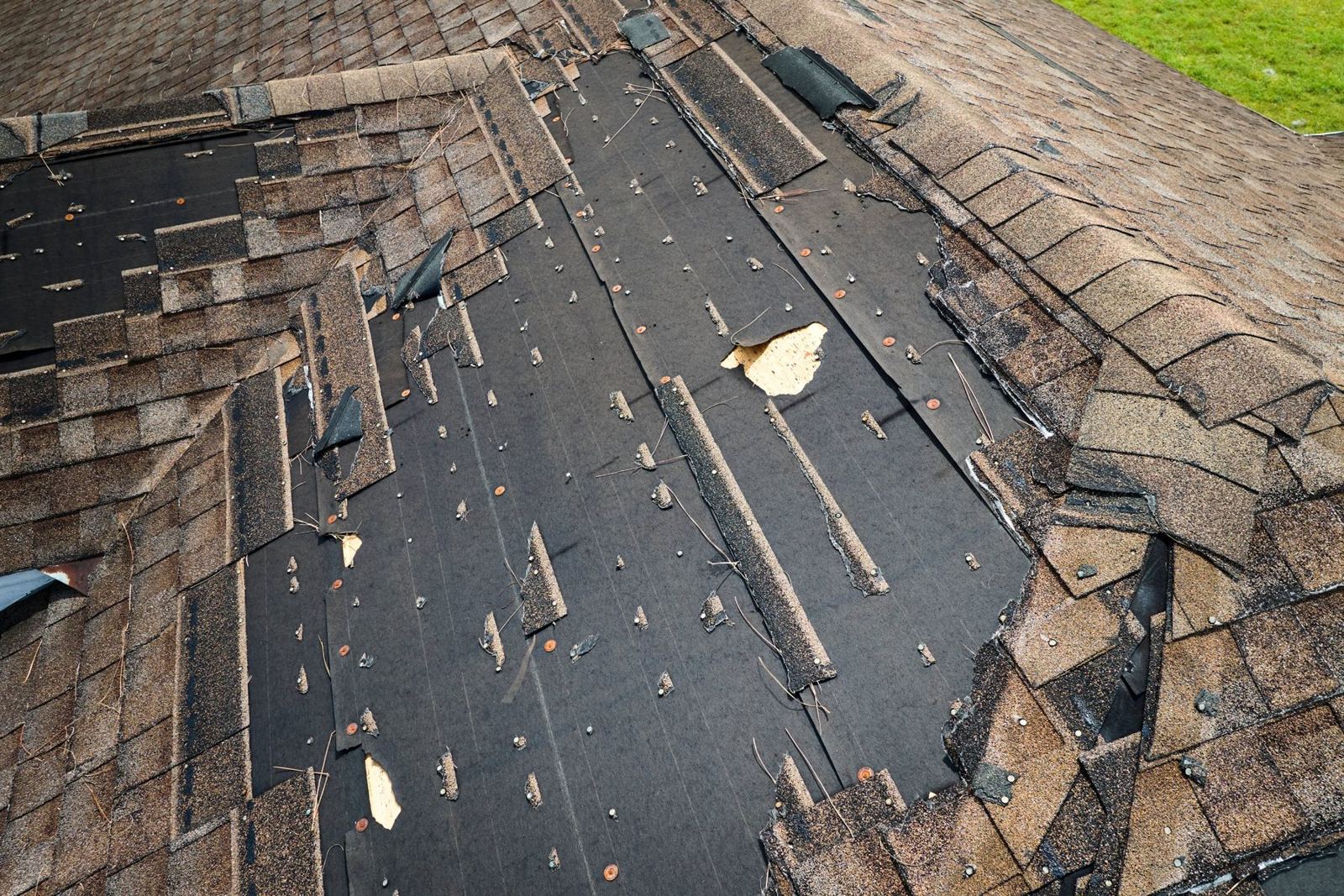
Roofs.
Water stains on ceilings, leaks after storms or snowmelt, ice dams, missing or lifting shingles, and water ponding on flat roofs.
Improper flashing, poor ventilation, missing underlayment, and flat roofs that don’t drain.
 02
Windows.
Stains or rot around frames, drafts, fogging between panes, and windows that stick or won’t latch.
Missing or improper flashing, poor sealing, and windows installed out of square.
 03
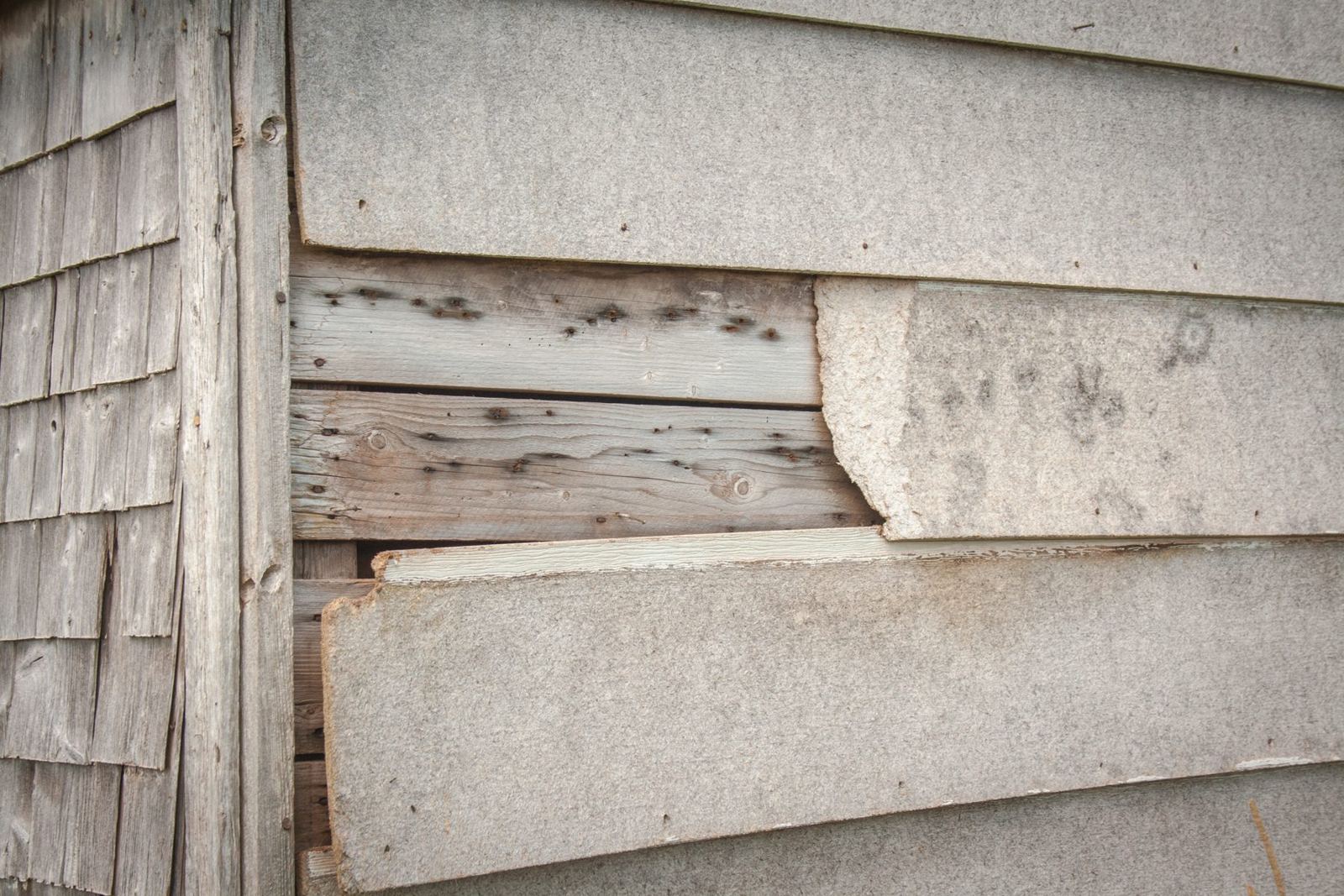
Exterior & siding.
Cracks, streaks or stains below windows, bulging, soft spots, and mold. (EIFS is a synthetic, stucco-like exterior finish.)
No drainage layer behind the finish, missing flashing, and finish coats applied too thin.
 04
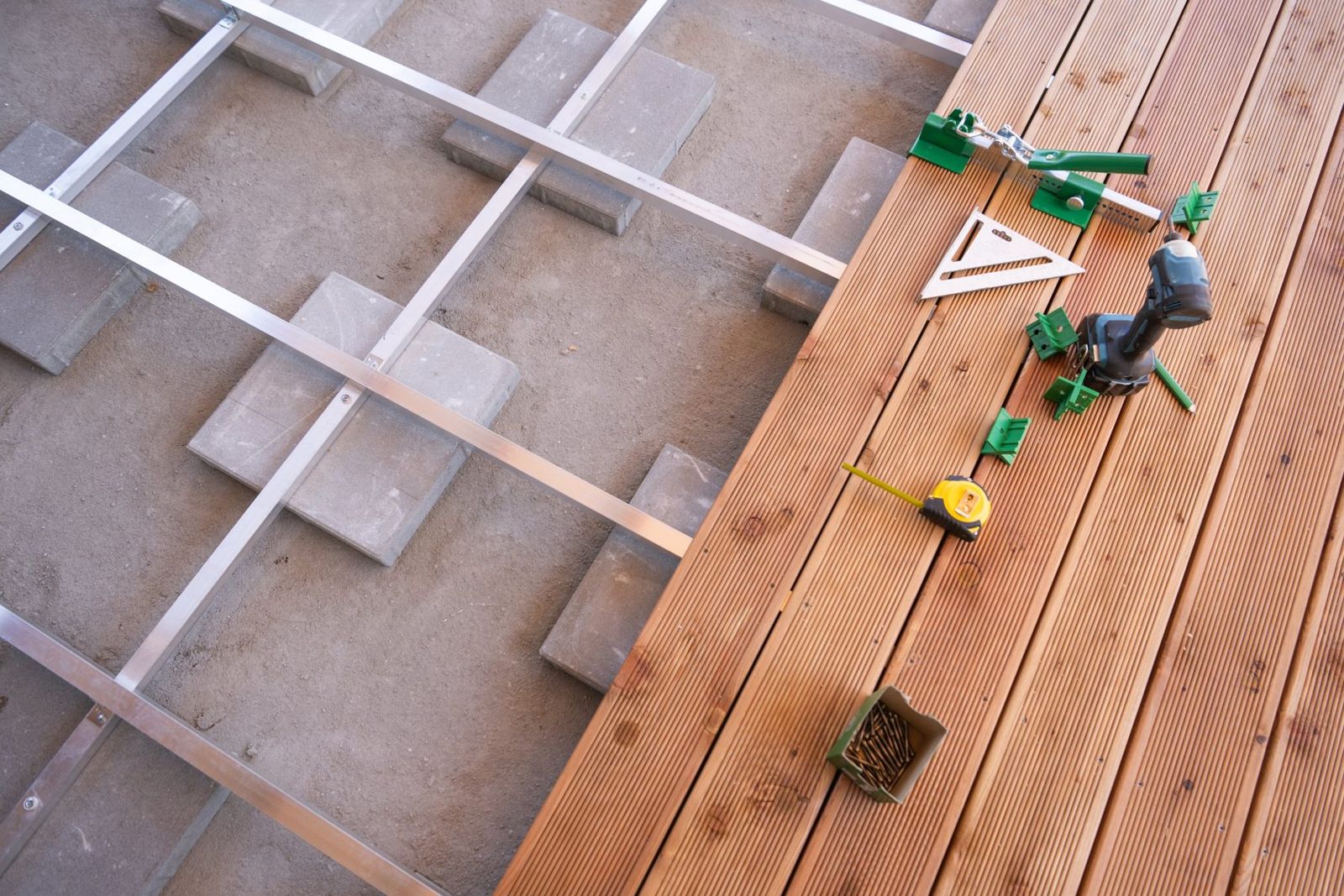
Decks & balconies.
Soft or spongy surfaces, sagging, loose railings, rust stains, and water dripping onto the space below.
Missing waterproofing, poor slope and drainage, and weak connections to the building.
 05
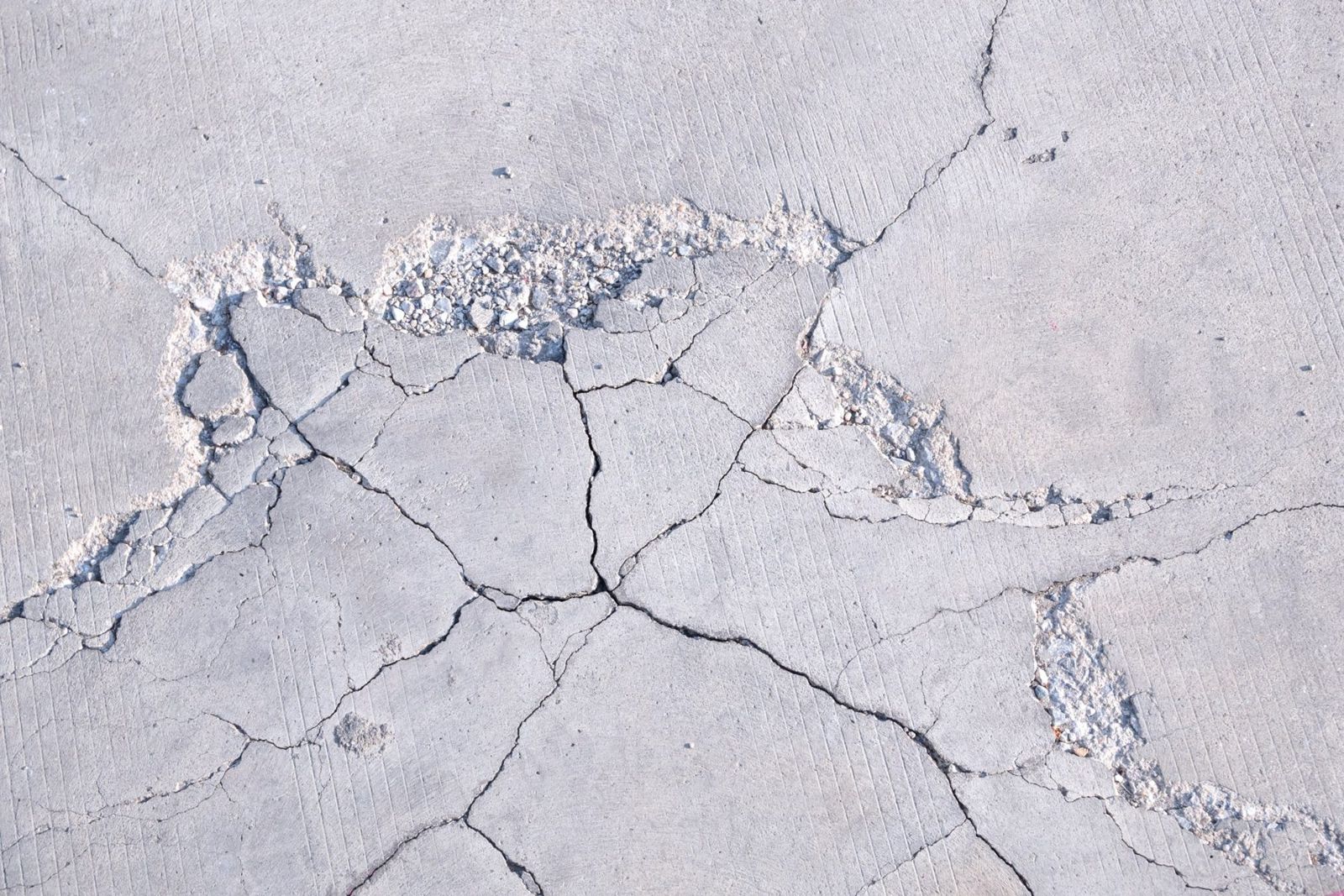
Foundations & soil.
Cracks in foundations, slabs, and drywall, sticking doors, uneven floors, and heaving sidewalks.
Soil that wasn’t tested properly, foundations not designed for clay soil, and poor drainage.
 06
Structural.
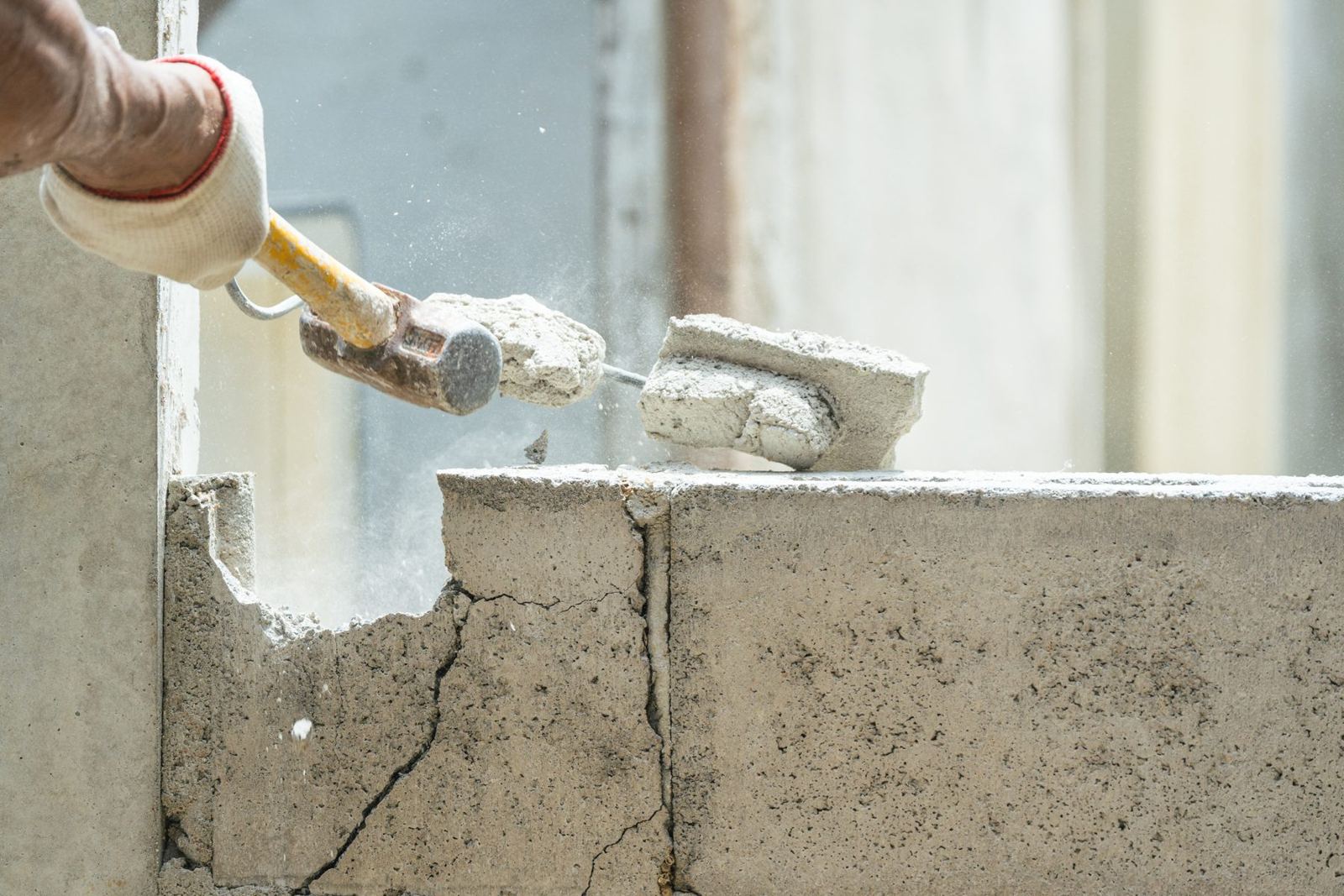
Sagging floors or roofs, cracks in beams or walls, and doors and windows pulled out of square.
Undersized framing, missing connections, and work that doesn’t follow the approved plans.
 07
Mechanical.
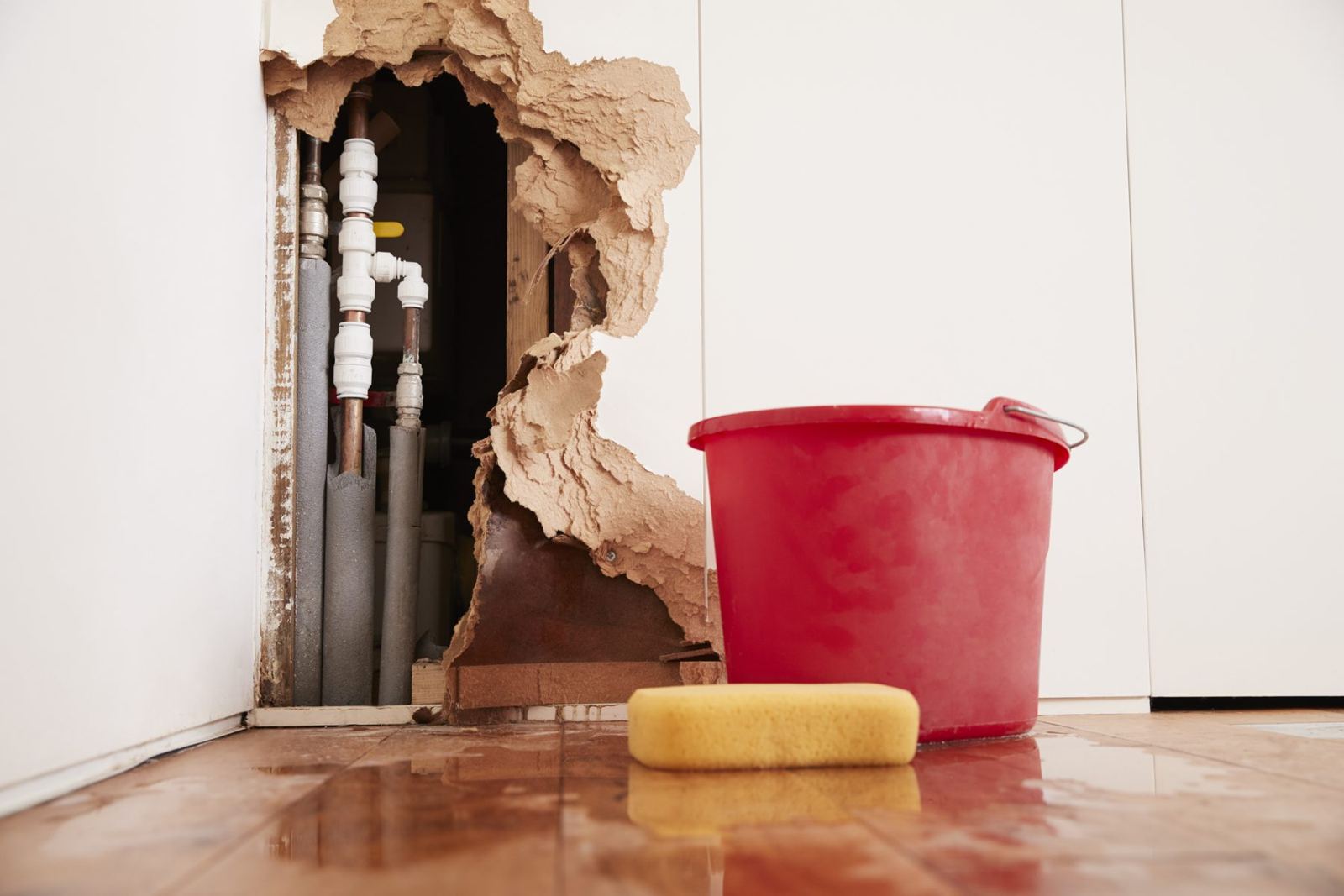
Leaks, frozen or burst pipes (including fire sprinkler lines), uneven heating or cooling, poor ventilation, and failed inspections.
Pipes run through unheated spaces, improper installation, and undersized systems.
Built For
Colorado
 Challenges in Colorado.
Why Colorado is hard on buildings.
A shortcut that might go unnoticed for years in a mild climate often shows up here within a few seasons.
Expansive clay soil.
Much of the Front Range sits on clay that swells when wet and shrinks when dry, pushing on foundations and slabs.
Fast growth.
Quick building timelines along the Front Range leave less room for error, and shortcuts show up within a few seasons.
Hail, snow, wind & sun.
Parts of Colorado see frequent hail, heavy snow, high winds, and strong high-altitude sun that wears down roofs, sealants, and coatings.
Freeze-thaw cycles.
Water that gets into a small gap freezes, expands, and works deeper with every cycle, turning small flaws into rot and cracked concrete.
The bottom line.Different defects, one pattern.
Meet Our Team →Deadlines don’t wait for certainty.
Colorado sets deadlines for these claims, so waiting to see if a problem gets worse can use up valuable time.
Visible damage is rarely the whole story.
Defects often do their work behind walls, under surfaces, and underground. An inspection shows what’s really going on.
Finding out where you stand is free.
Our Four-Step Process includes an inspection, research, legal review, and a written report, before you commit to anything.
Not sure what you’re seeing?
Many defects start small or stay hidden behind walls and under surfaces. Our team will look at what you’re seeing, explain it in plain terms, and tell you honestly whether it’s worth pursuing.
Seeing Signs
of a Defect?
Free and confidential. Colorado sets deadlines for these claims, so the sooner you reach out, the more options you’ll have.